Description
Introduction
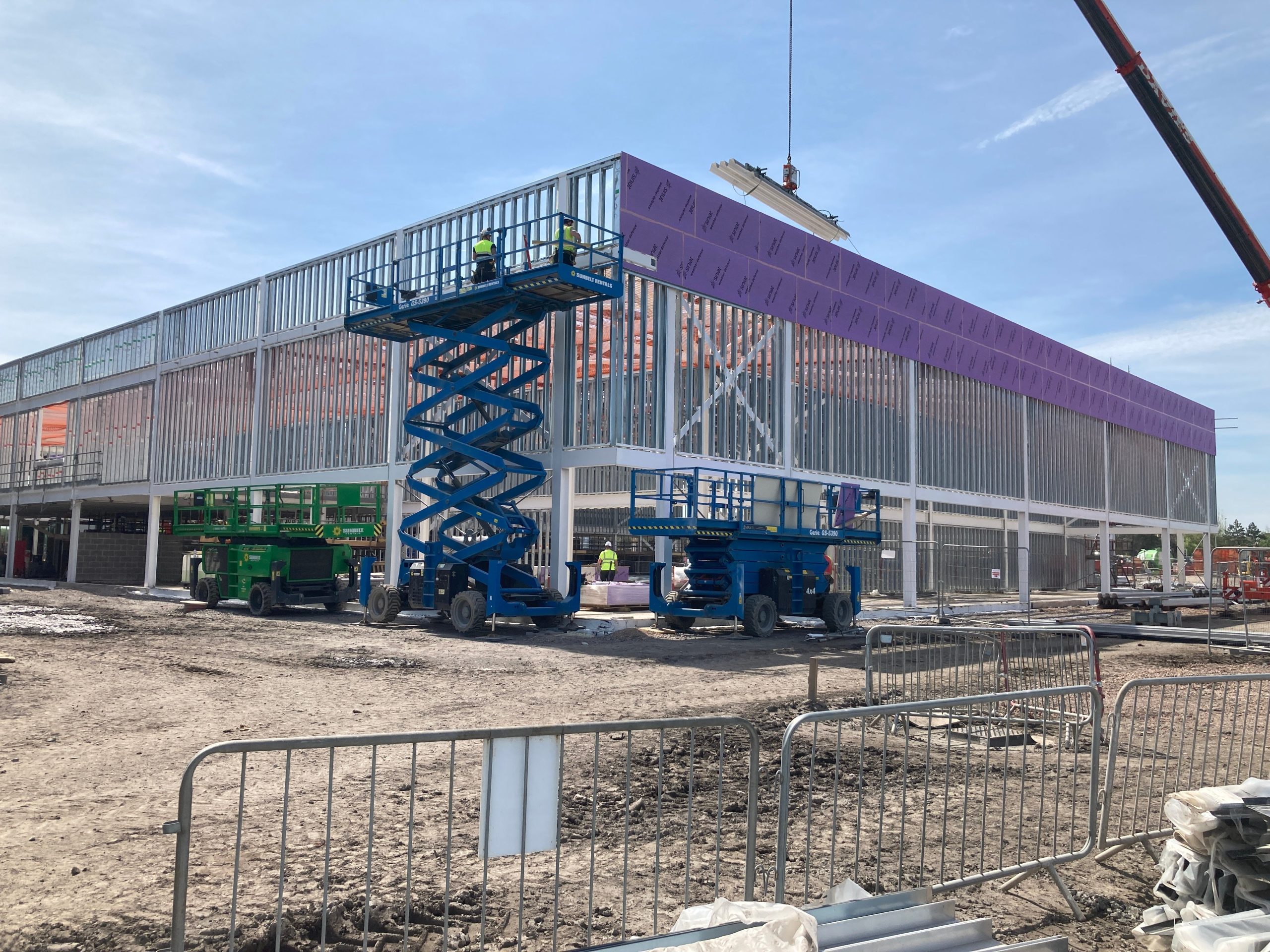
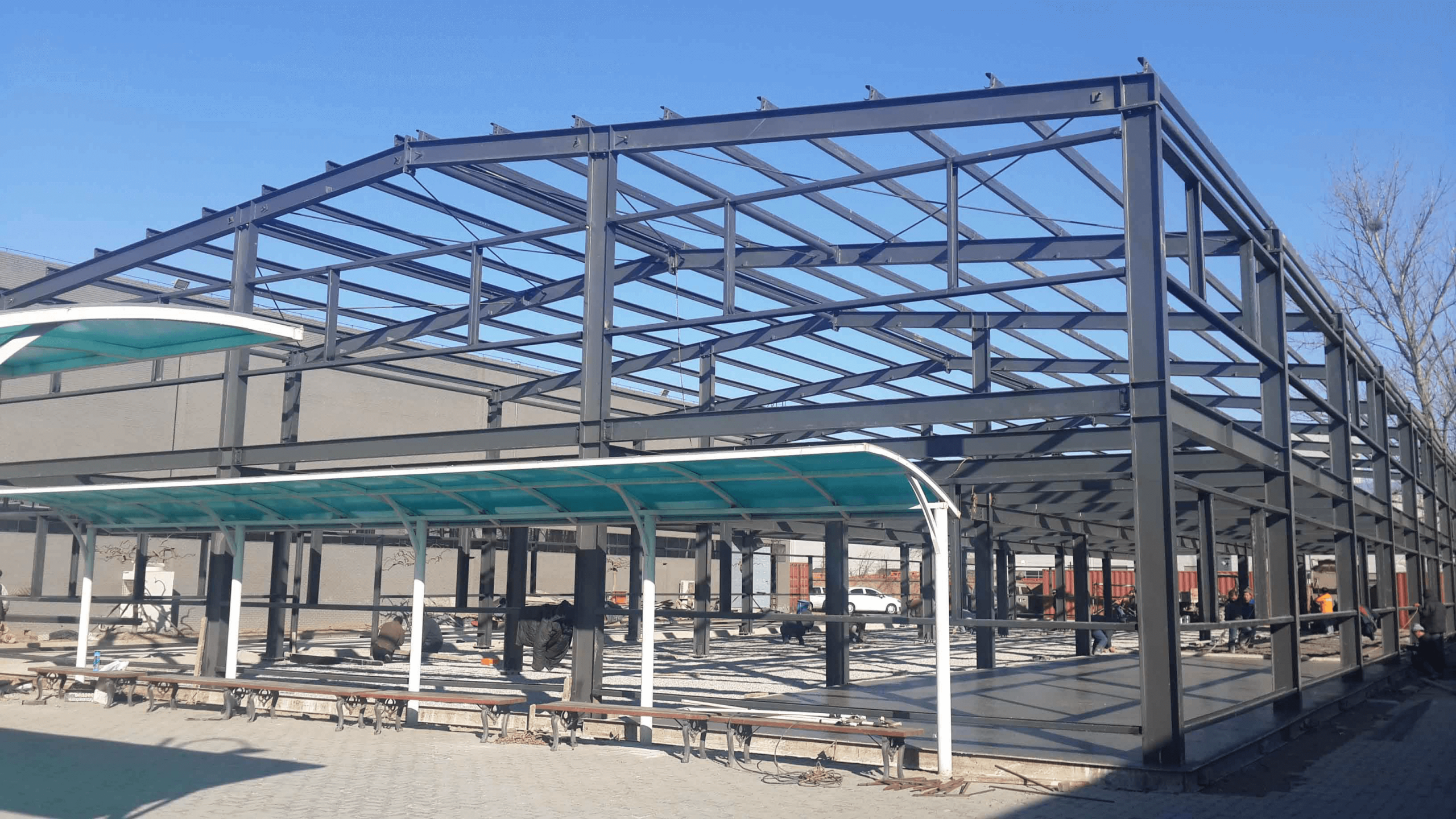
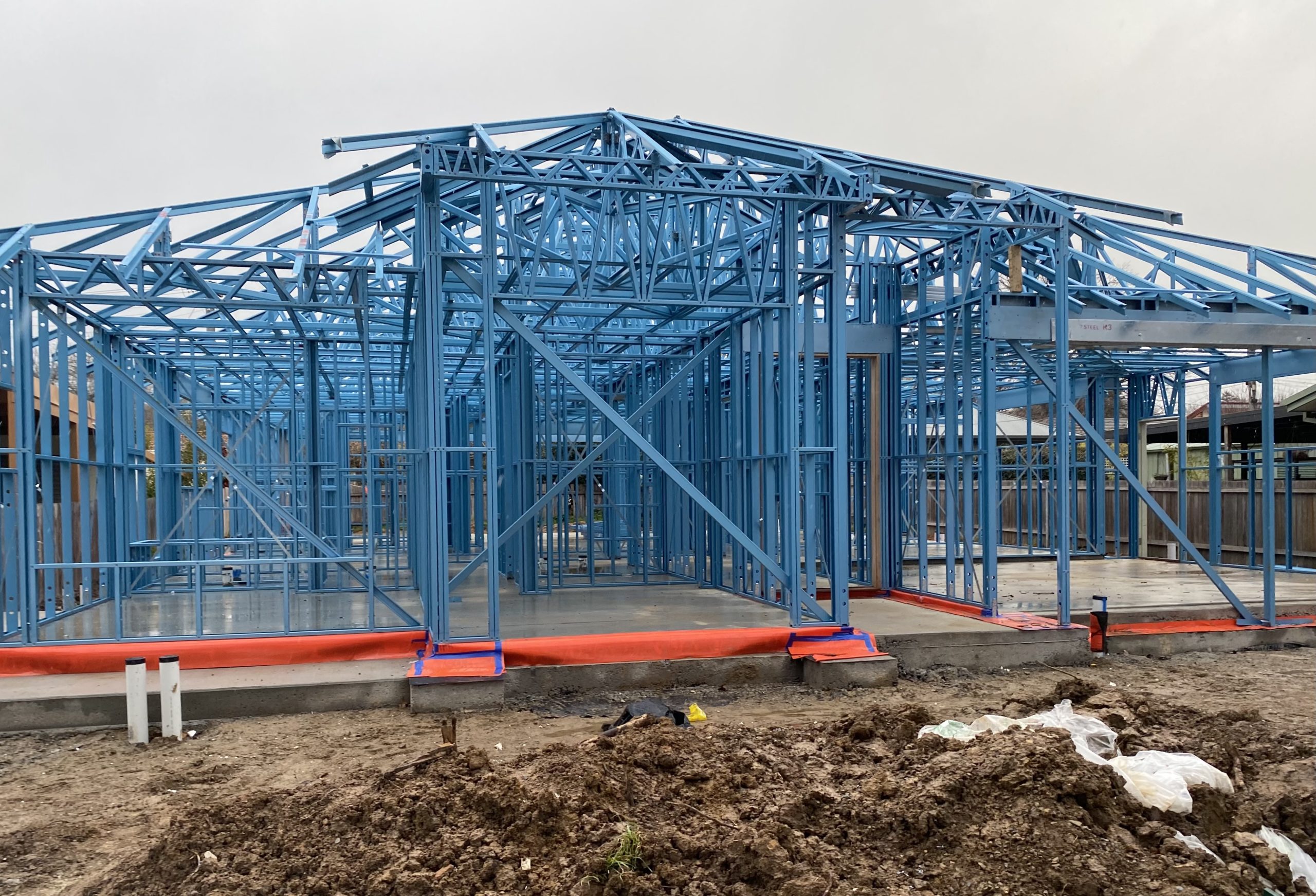
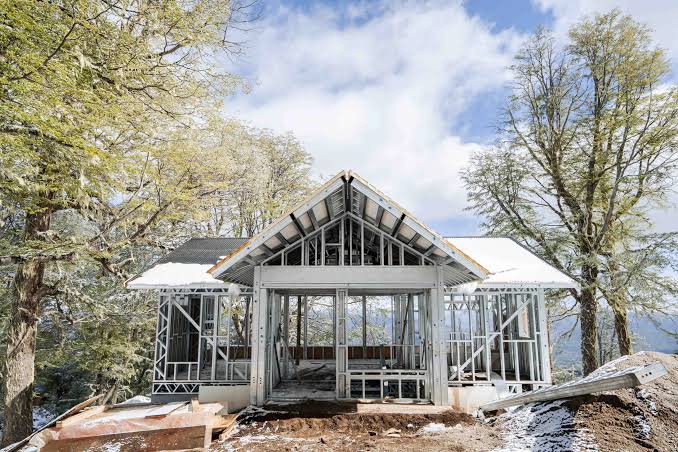
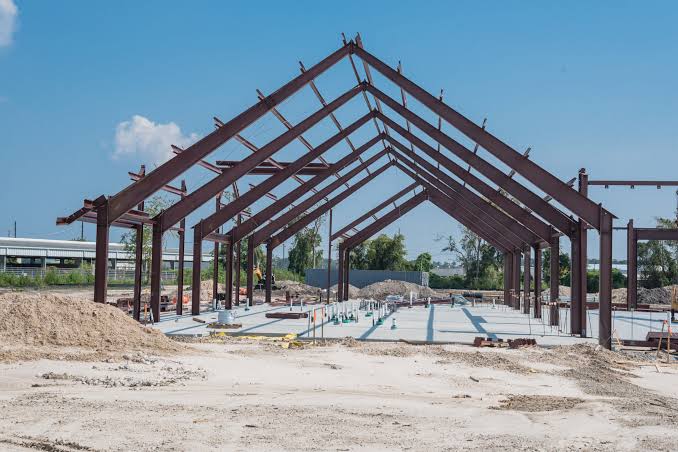
Structural steel frames are engineered load-bearing structures used to support buildings, industrial facilities, equipment installations, and specialized infrastructure. Manufactured from structural steel sections and fabricated components, these frames provide strength, dimensional stability, and flexibility for projects that require reliable structural support and efficient assembly.
Tay Machinery supplies structural steel frame solutions for industrial, commercial, energy, mining, and infrastructure projects, coordinating with qualified manufacturing and engineering partners to meet project-specific requirements. Depending on the application, solutions can include primary steel frames, secondary structural members, equipment support frames, and custom-fabricated assemblies.
Types of Structural Steel Frames
Structural steel frames can be configured according to building design, load requirements, operating conditions, and installation methods.
- Industrial Building Frames: Primary structural systems for factories, workshops, production facilities, and industrial buildings.
- Warehouse and Logistics Frames: Steel structures designed for storage buildings, distribution centers, and logistics facilities.
- Equipment Support Frames: Custom steel structures for machinery, processing equipment, generators, pumps, conveyors, and other industrial systems.
- Platform and Mezzanine Frames: Elevated structures supporting maintenance access, operational workspaces, equipment, and additional floor areas.
- Modular Steel Frames: Prefabricated structural assemblies designed for modular buildings, transportable facilities, and projects requiring faster on-site installation.
- Heavy-Duty Structural Frames: Engineered structures for demanding industrial applications involving substantial equipment loads or specialized operating conditions.
- Custom-Fabricated Frames: Project-specific steel assemblies developed around unique dimensions, interfaces, installation constraints, and performance requirements.
Materials and Structural Components
Depending on the project, structural steel frames may incorporate a combination of the following components:
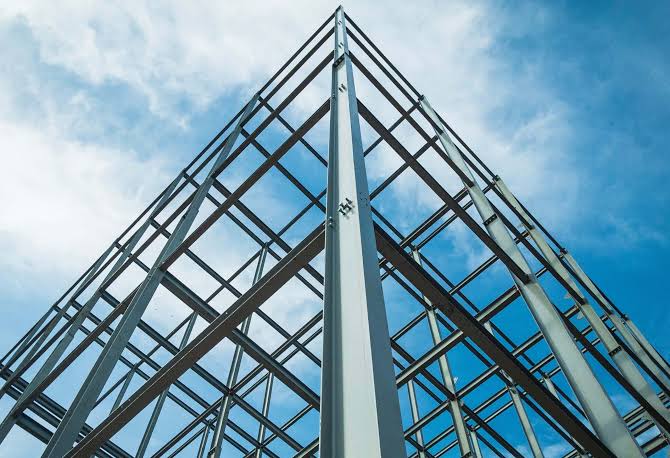
- Steel Columns and Beams: Primary load-bearing members that transfer structural loads to the foundation.
- Bracing Systems: Diagonal braces and other reinforcement elements that improve stability under lateral loads.
- Trusses and Girders: Structural members used to support long spans, roofs, platforms, and heavy loads.
- Base Plates and Connection Plates: Components that facilitate connections between steel members, foundations, and adjoining structures.
- Secondary Steelwork: Purlins, girts, support members, and other elements used to complete the structural system.
- Bolted and Welded Connections: Connection arrangements selected according to engineering specifications, fabrication methods, and installation requirements.
Material grades, section dimensions, corrosion protection, and fabrication tolerances should be selected according to the applicable structural design and project specifications.
Features and Benefits
Strength and Load-Bearing Performance
Steel frames provide a high strength-to-weight ratio and can be engineered to support substantial loads across a wide range of industrial and commercial applications.
Design Flexibility
Structural steel can accommodate different building layouts, equipment configurations, spans, heights, and connection requirements. Custom engineering allows the frame to be adapted to the intended application.
Efficient Fabrication and Installation
Steel members can be fabricated and prepared for assembly before delivery to the project site. Depending on the design and logistics, this approach can reduce on-site fabrication work and help coordinate installation with other construction activities.
Scalability and Expandability
Steel framing systems can be designed for future extensions, additional equipment, or changing operational requirements, subject to structural assessment and the original design provisions.
Durability and Maintenance Options
Suitable coatings, galvanizing, or other specified protective systems can help manage corrosion in different operating environments. Protection requirements depend on exposure conditions, including humidity, chemicals, coastal environments, and industrial pollutants.
Engineering and Customization Options
Structural steel frames can be specified according to the needs of each project, including:
- Overall dimensions, height, span, and structural layout
- Design loads, equipment loads, and applicable environmental loads
- Steel grades, member profiles, and connection details
- Bolted, welded, or hybrid connection systems
- Surface preparation, painting, galvanizing, and corrosion protection
- Access platforms, stairs, handrails, and maintenance provisions
- Prefabrication, transport dimensions, and site assembly requirements
- Applicable local building codes and project-specific engineering standards
Final designs should be reviewed and approved by qualified structural engineers. Fabrication drawings, inspection requirements, material traceability, and testing documentation can be coordinated according to the project scope.
Applications
Structural steel frames are suitable for a broad range of sectors, including:
- Industrial plants and manufacturing facilities
- Mining and mineral processing installations
- Warehouses, workshops, and distribution centers
- Power generation and renewable energy projects
- Machinery foundations and equipment support systems
- Modular and prefabricated buildings
- Infrastructure and commercial construction
- Specialized industrial installations and custom fabrication projects
Project-Based Sourcing and Delivery
Tay Machinery coordinates the sourcing of structural steel frames through qualified manufacturing and engineering partners. Solutions can be developed for individual components, complete frame assemblies, or larger project packages, depending on the technical scope.
To support an accurate quotation, customers should provide available drawings, preliminary dimensions, design loads, material requirements, applicable standards, delivery location, and target schedule. Where detailed engineering is required, the scope of design responsibility and approval should be established before fabrication begins.
Reviews
There are no reviews yet.